
News
Celebrating 180 Years
For 179 years, Launceston Church Grammar School has inspired generations through learning, leadership, and community. From its humble beginnings in 1846, where lessons were taught out of a small, rented house on George Street, to a now thriving, multi-campus school, our story stands the test of time and is a testament to the people and values that continue to shape us.
As we look to celebrate 180 years of Grammar in 2026, let’s travel back in time to where it all began, highlight significant events that have shaped our story, and look forward to what lies ahead.
1840s
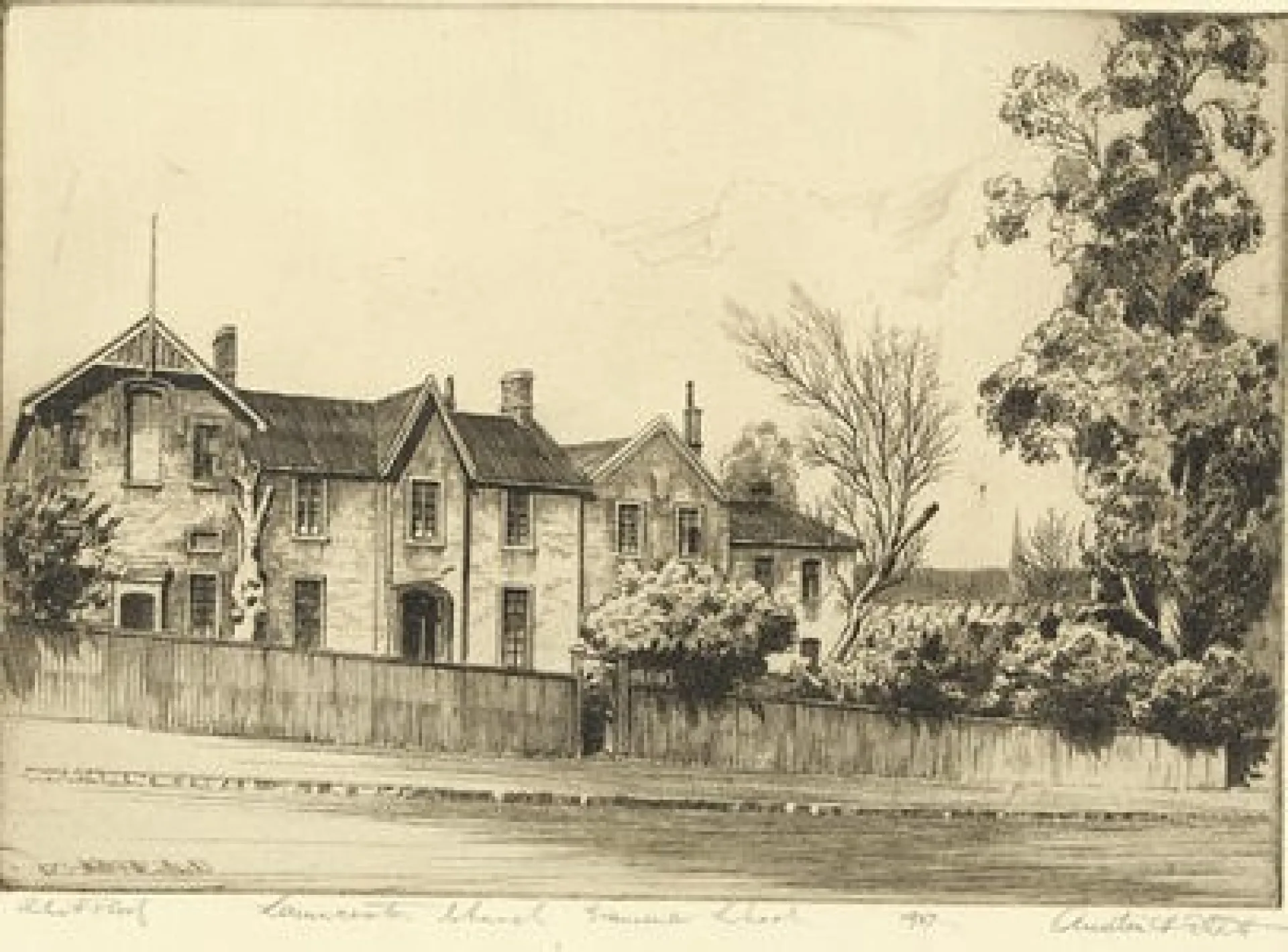
Launceston Church Grammar School opened its doors in 1846 with 24 boys and Headmaster Rev Henry Kane. Lessons began in a small, rented house at George and Elizabeth Streets, marking the start of Australia’s oldest continually operating independent school.
1850s
Despite Tasmania’s gold rush exodus, enrolments rise. Fundraising by the “Ladies of the Trustees” builds a new schoolroom, and naturalist Ronald Gunn joins the staff, shaping Grammar’s early reputation for learning and curiosity.
1860s–1870s
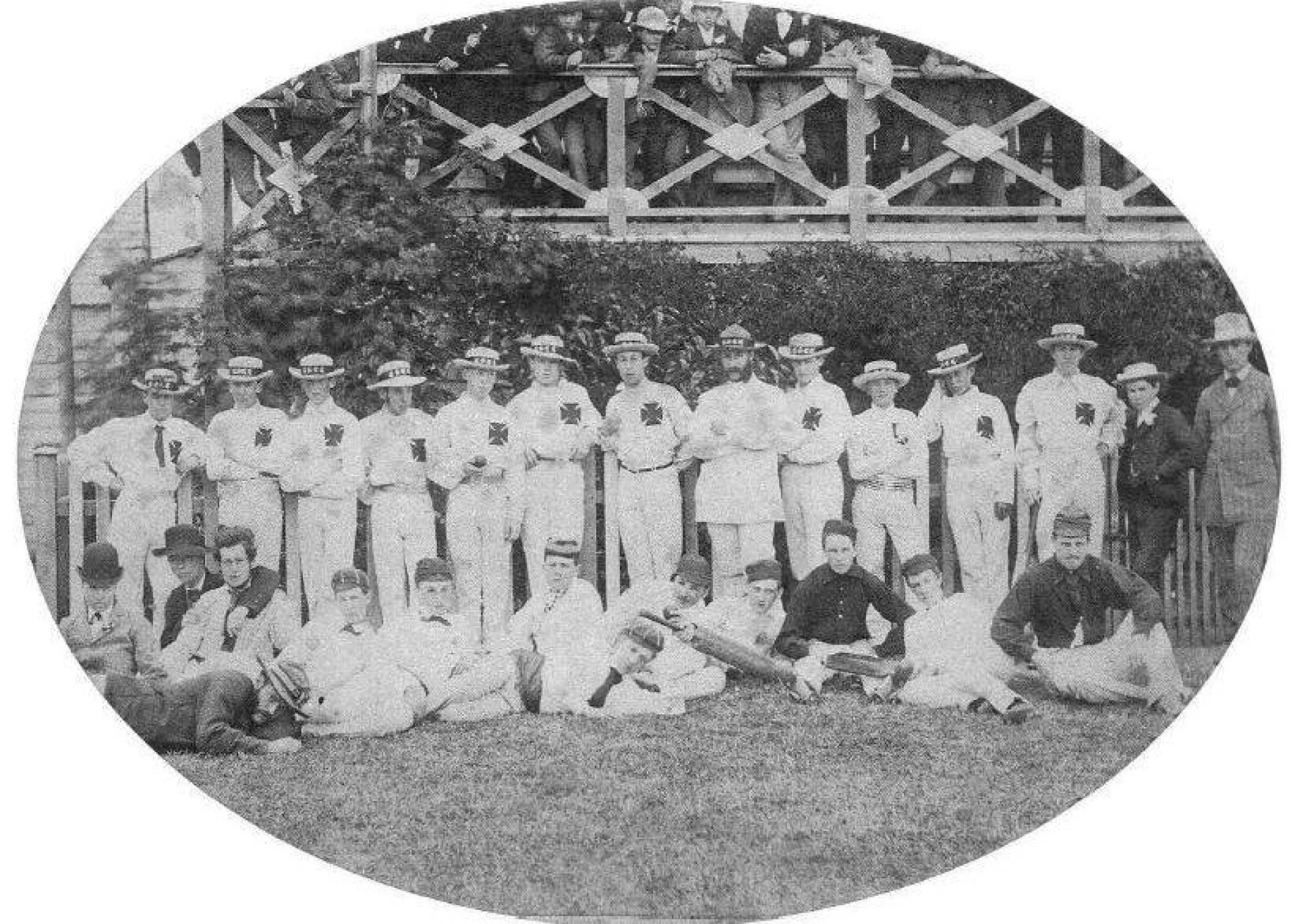
Under Rev. William Savigny, Grammar introduces its colours: blue, black and white — and motto Mos Patrius Disciplina, meaning “the custom and training of our forefathers.” Sport takes hold, with cricket becoming a defining tradition.
1880s
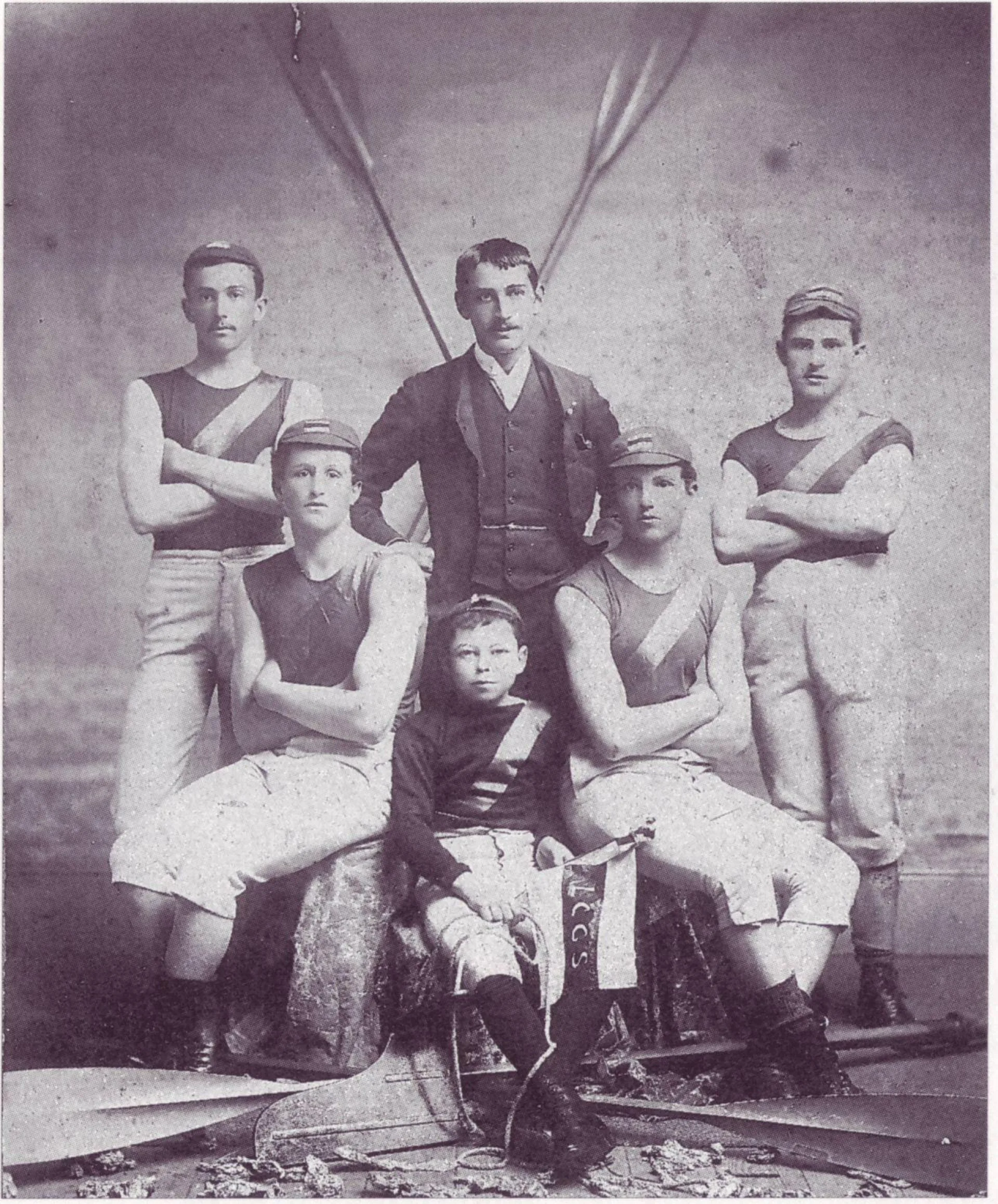
Launceston Grammar earns national recognition. New facilities rise, and rowing begins on the Tamar. In 1889, Grammar wins its first Bourke Cup - the first of many.
1890s
Economic depression hits Tasmania, but Headmasters Wilkinson and Gillett revive Grammar. They introduce the School crest and re-establish the Grammar Cadets, restoring pride and spirit.

1900s
Old Boys serve in the Boer War and the new Australian Parliament. The Launcestonian launches in 1905. Grammar celebrates a golden sporting year in 1909, winning across cricket, football, rowing, and swimming.
1910s
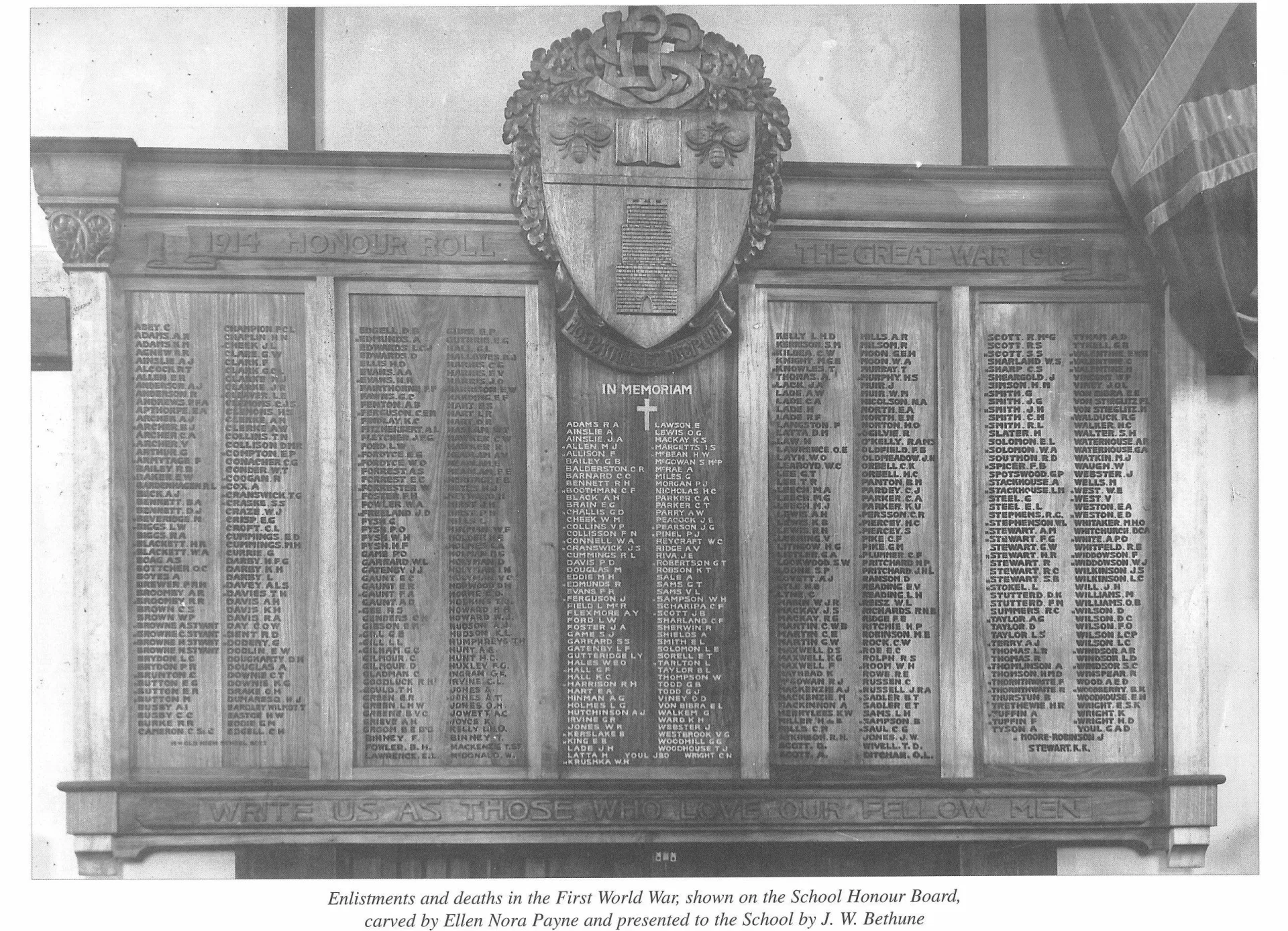
504 Old Boys serve in World War I; 97 never return. Their courage is later honoured on the Honour Board in the chapel. Students join cadets and contribute to the war effort at home.
1920s
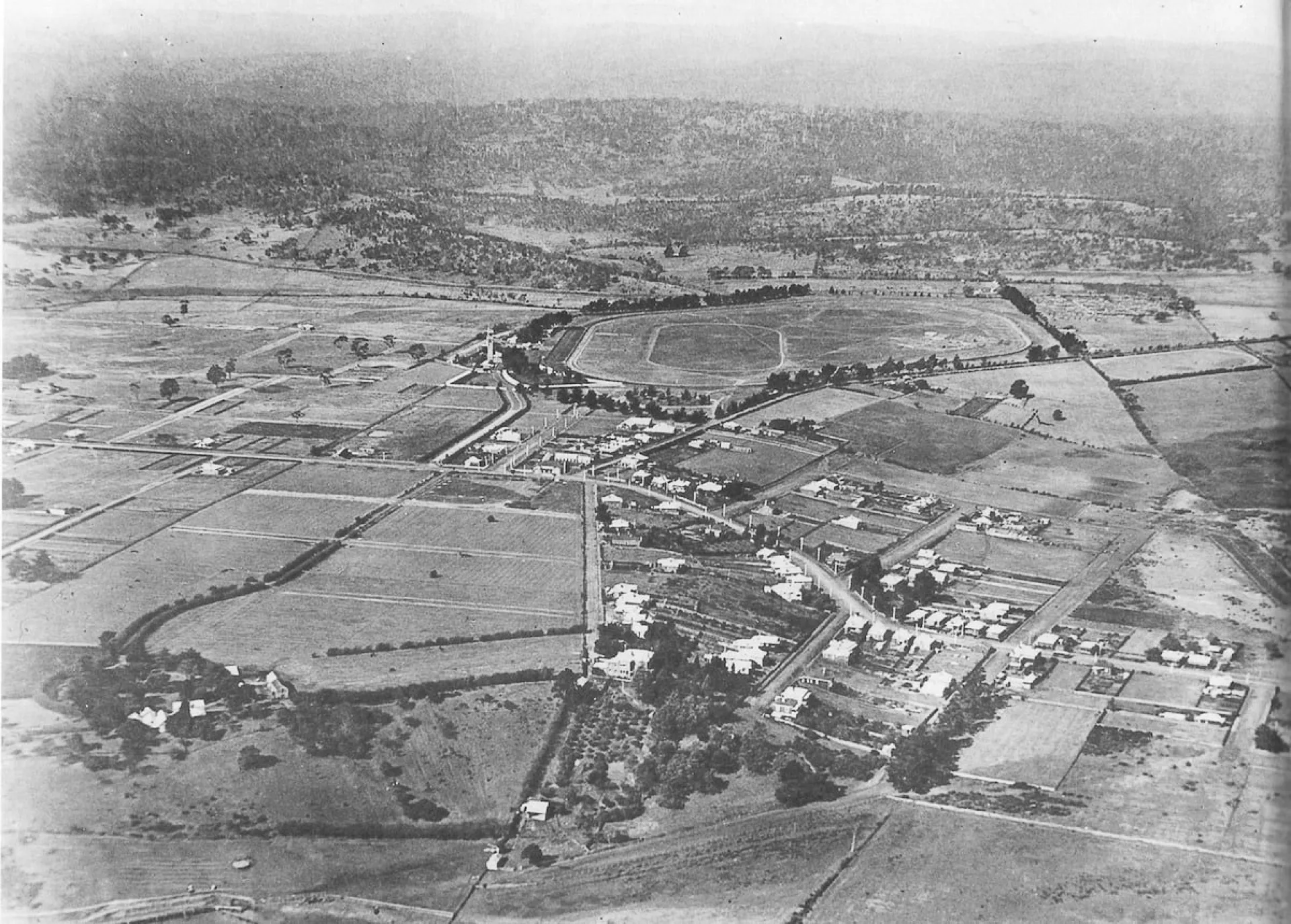
Grammar relocates to Mowbray, with Prime Minister Stanley Bruce laying the foundation stone in 1923. New classrooms, boarding houses, tennis courts, and a swimming pool define a new era.
1930s
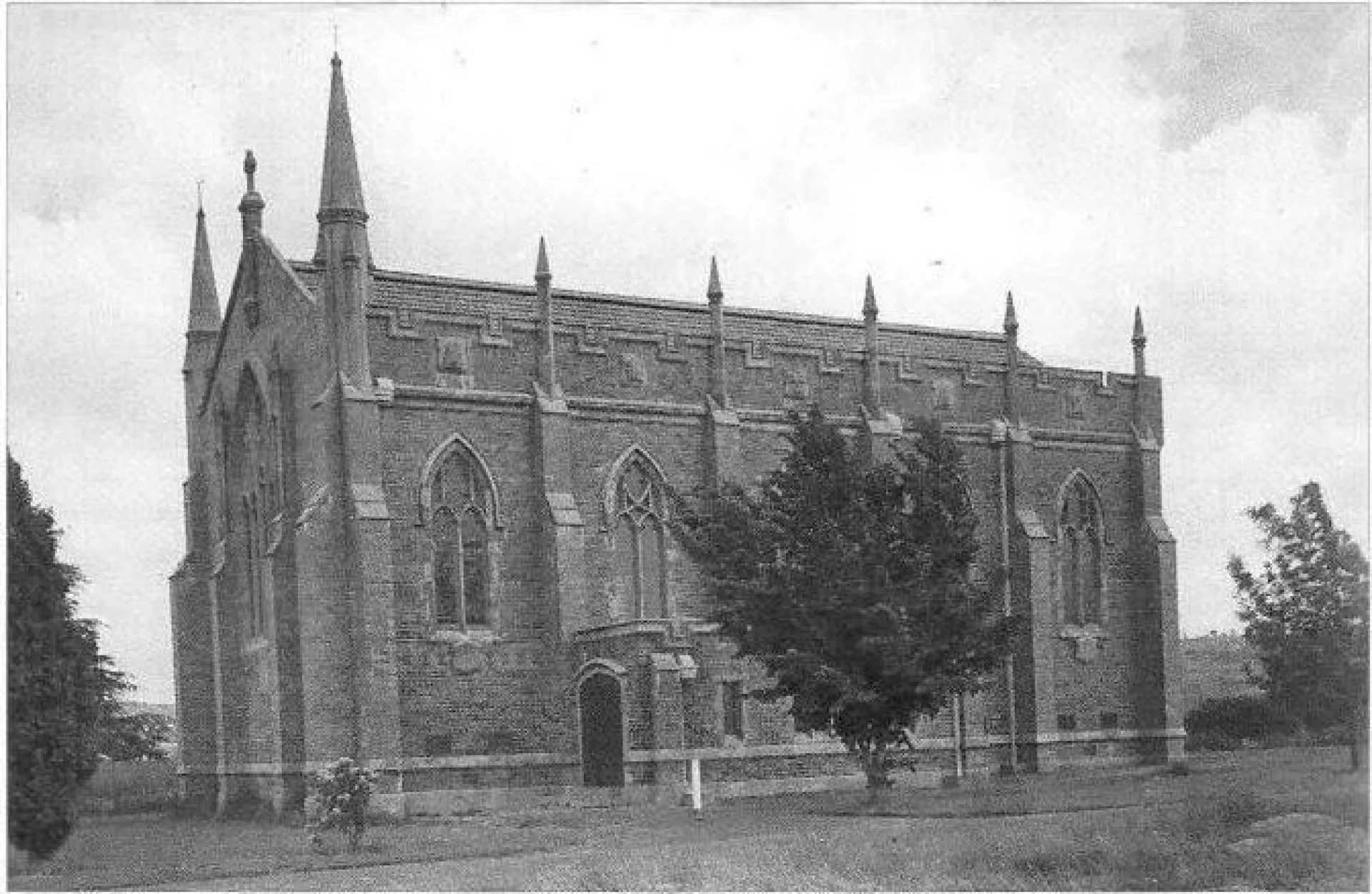
The Great Depression tests Tasmania and Grammar. Despite hardship, the chapel is built in 1934, a lasting symbol of community resilience and remembrance.
1940s
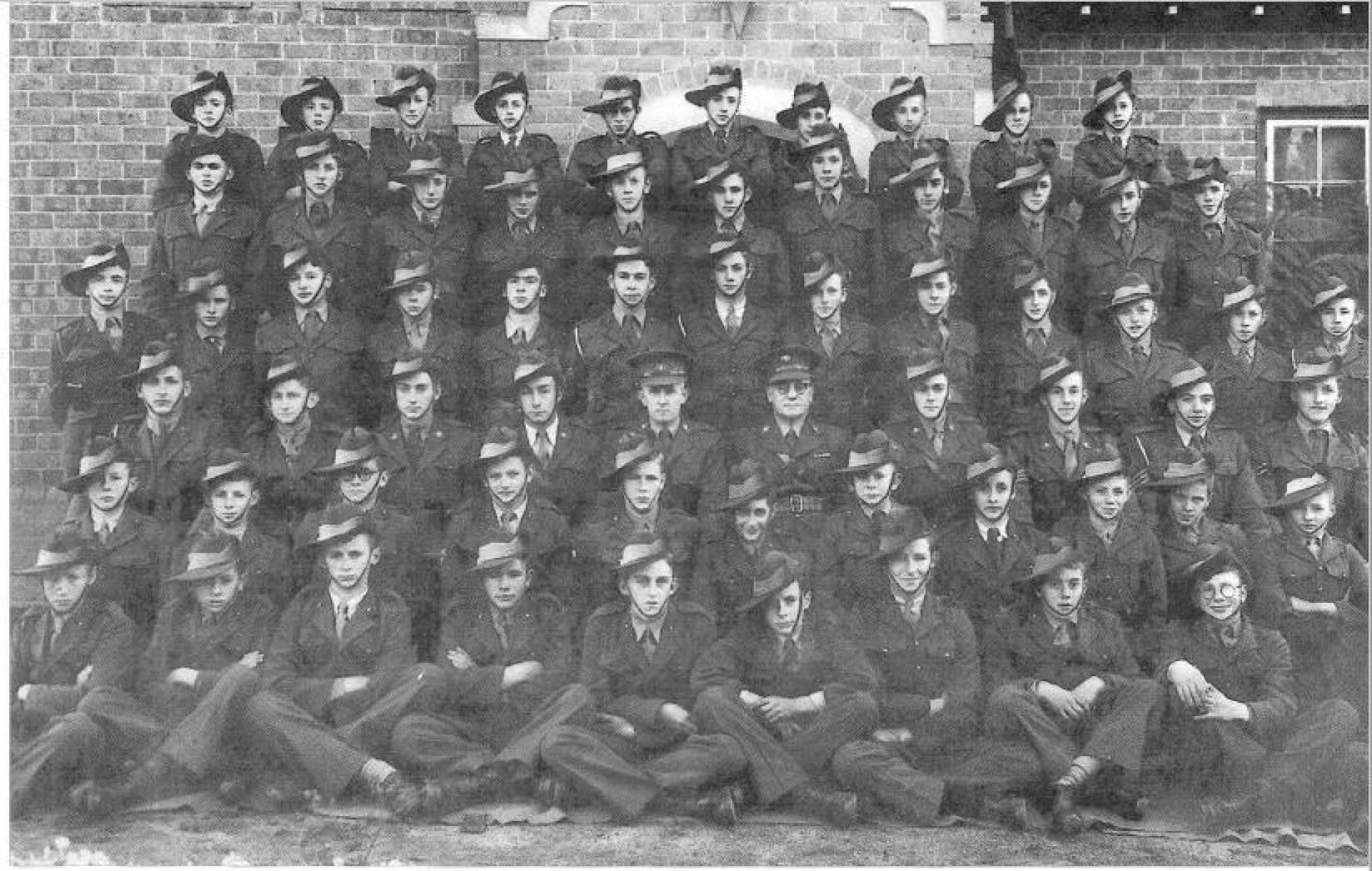
Headmaster Norman Roff and many Old Boys serve in WWII; some never return. Grammar’s centenary in 1946 marks hope and remembrance, celebrated with a Centenary Ball and chapel service.
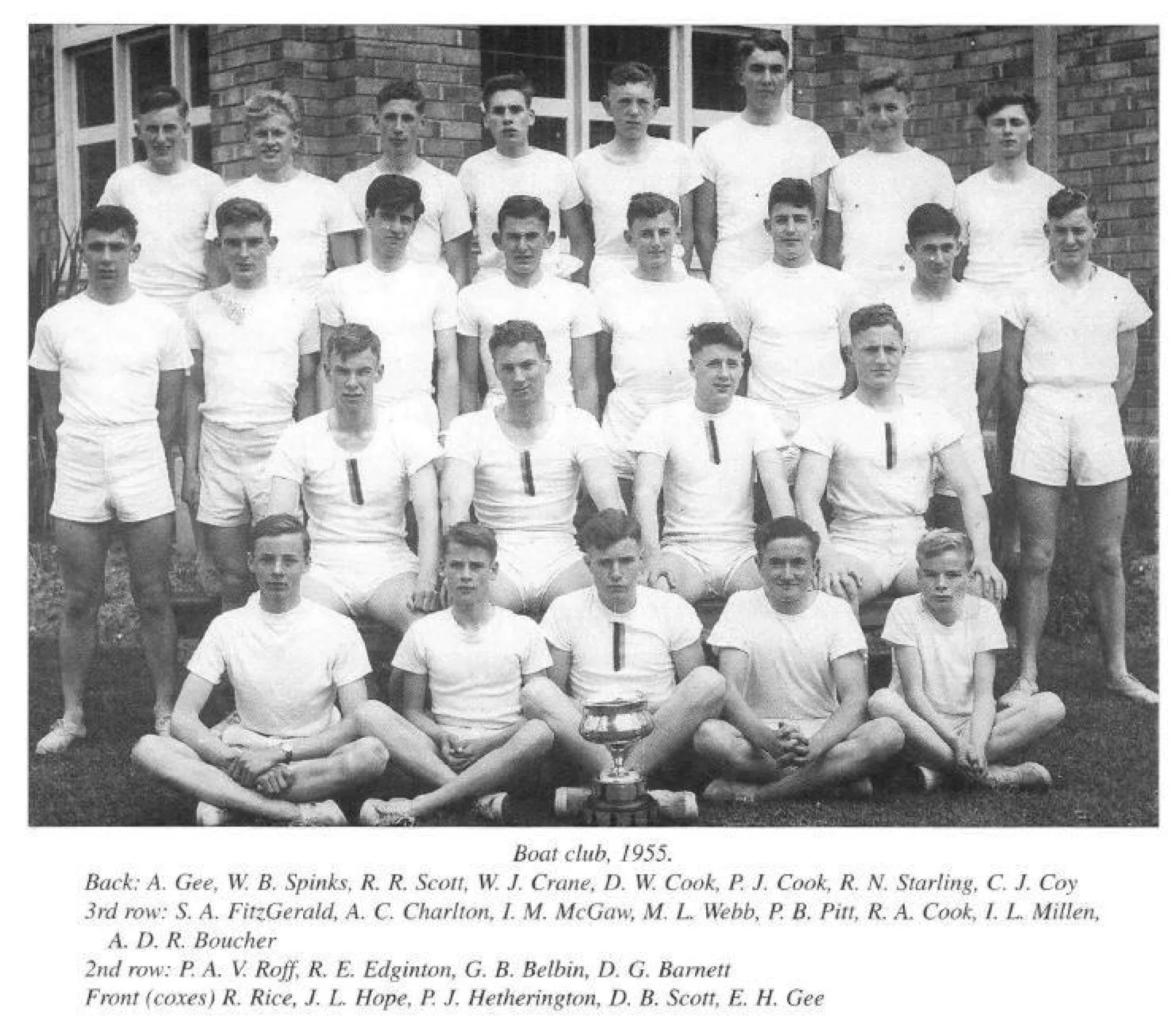
1950s
Headmaster Basil Travers expands school life with new clubs, music, and sport. Grammar wins three consecutive Head of the River titles and embraces a decade of post-war optimism.

1960s
A new science block, outdoor education program, and Prime Minister Menzies’ 1961 visit mark a forward-thinking decade. The first Walkathon is held in 1963, a tradition still loved today.

1970s–1980s
Amid economic challenges, Headmaster Robert Hutchings proposed trialling coeducation. Seven girls joined in 1972, and the success of this initiative led to the School becoming fully co-educational in 1973. By 1978, 97 girls were enrolled, revitalising the School financially and better preparing students for life beyond Grammar. In 1982, Headmaster Christopher Strong oversaw one of the School’s most significant milestones, the amalgamation with Broadland House, expanding both enrolments and campuses.
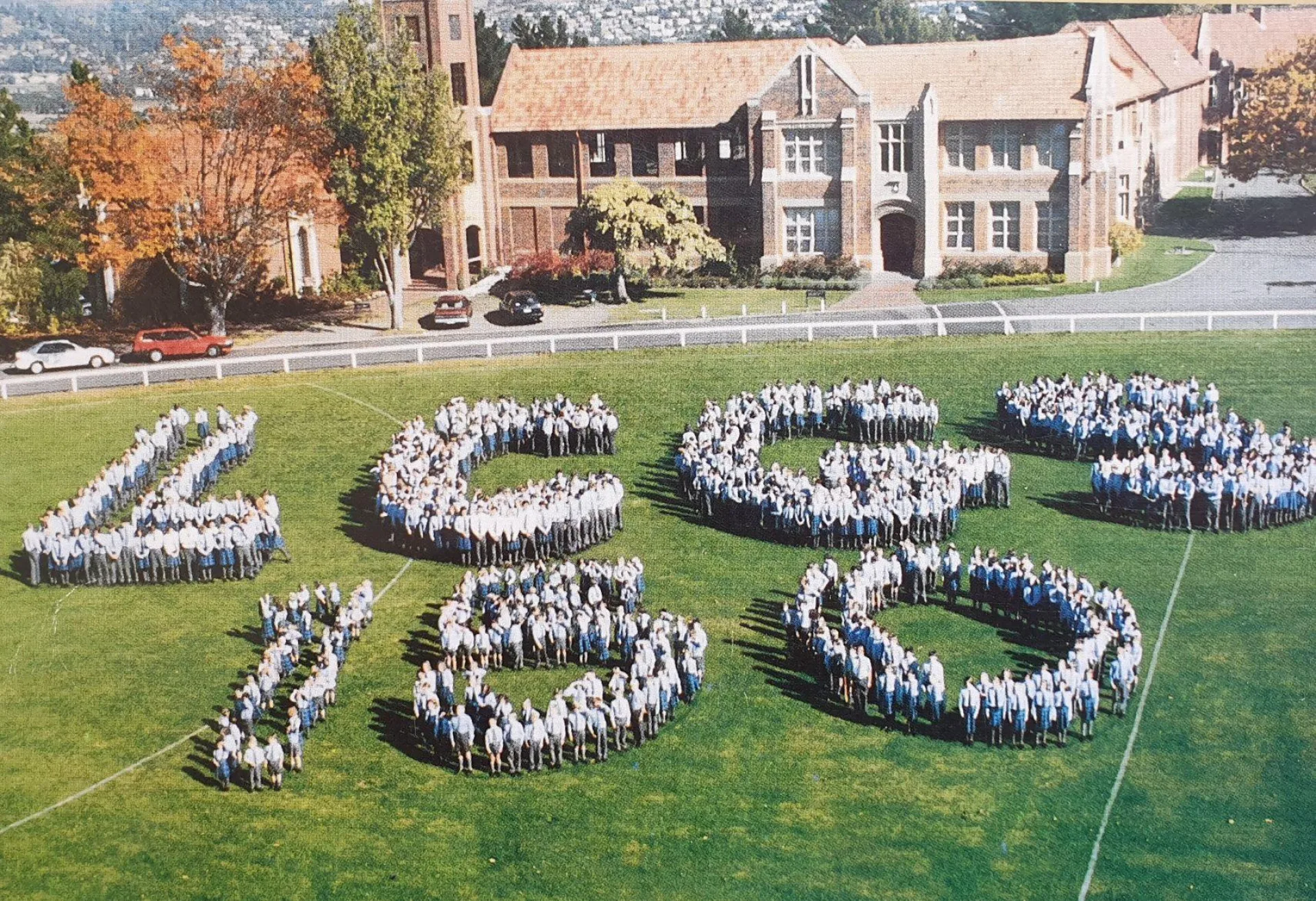
1990s
Grammar celebrates its 150th anniversary with a year of community events, chapel renewal, and a record $1.6 million raised for new facilities.
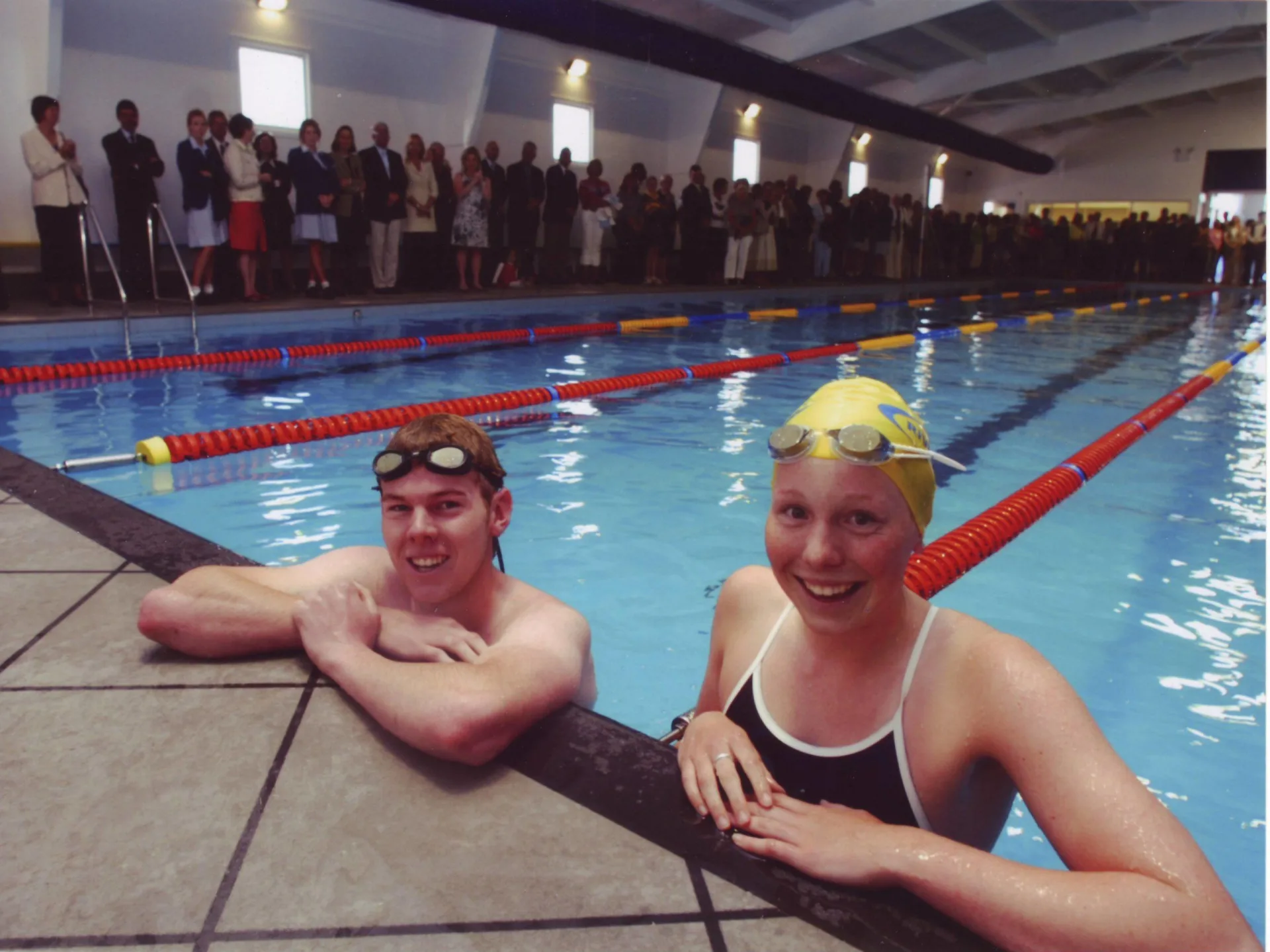
2000s
Grammar earns Top 10 national ranking and sporting success. Old Boys George Bailey and James Faulkner represent Australia in cricket. 2008 sees the opening of the new swimming pool.
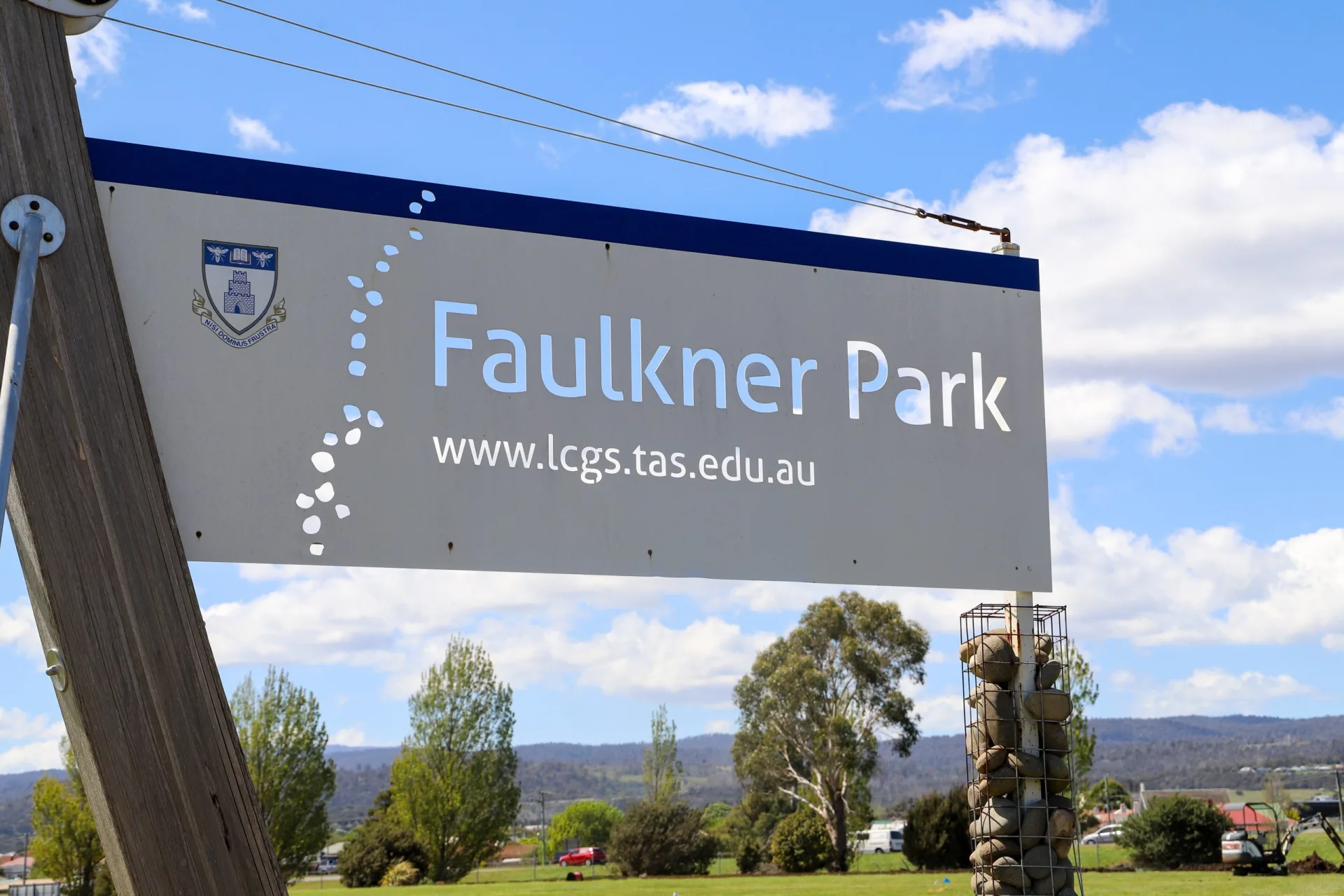
2010s
Faulkner Park opens, and Café 1846 becomes a vibrant hub for many events. The Broadland House chapel window honours our shared story.
2020s
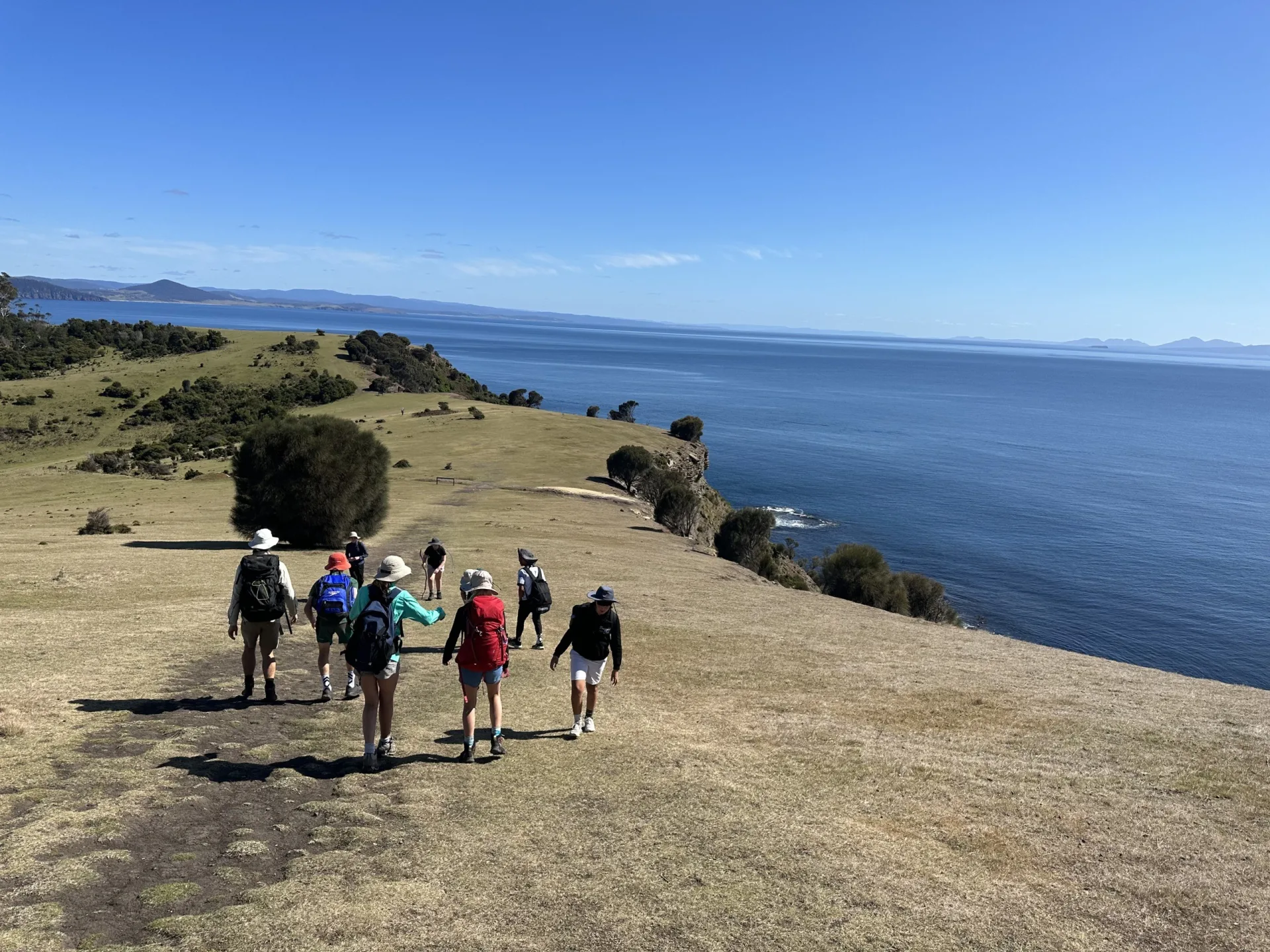
In June 2024, we celebrated the 100th anniversary of the Mowbray Campus, the 90th anniversary of the School Chapel, and the 60th anniversary of the Grade 7 Maria Island Camp. As Grammar nears its 180th year in 2026, we honour generations of students, staff, and families who have shaped our story, and look ahead to the next chapter of learning, leadership, and legacy.